Make before memorize
Students internalize concepts faster when they see them move, respond, and fail in front of them.
Concepts through actionThinkEdge bridges classroom theory with engineering practice. The focus is not only on coding or assembling kits, but on helping students think like designers, troubleshooters, and collaborators.
Our pedagogy is shaped around real tools, incremental complexity, and active reflection. Students are expected to touch components, break logic, fix it, and understand why the correction works.
Students internalize concepts faster when they see them move, respond, and fail in front of them.
Concepts through actionDebugging is treated as a skill, not an obstacle. This builds persistence and systems thinking.
Troubleshooting mindsetStudents explain their process, design choices, and outcomes in presentations and showcases.
Technical confidenceWe do not treat robotics as an extra activity. We use it as the medium through which children learn logic, design, teamwork, and confidence.
ThinkEdge learning principleThe goal is not just exposure to STEM terminology. The goal is students who can think logically, build confidently, and adapt to more advanced tools later.
Students start decomposing problems, sequencing actions, and reasoning about inputs and outputs.
They learn to sketch, prototype, test, and refine instead of waiting for perfect first attempts.
They become more prepared for advanced robotics, AI, electronics, and engineering pathways later on.
These extra visuals support the teaching message by showing attention, experimentation, teamwork, and growing confidence in real classroom settings.
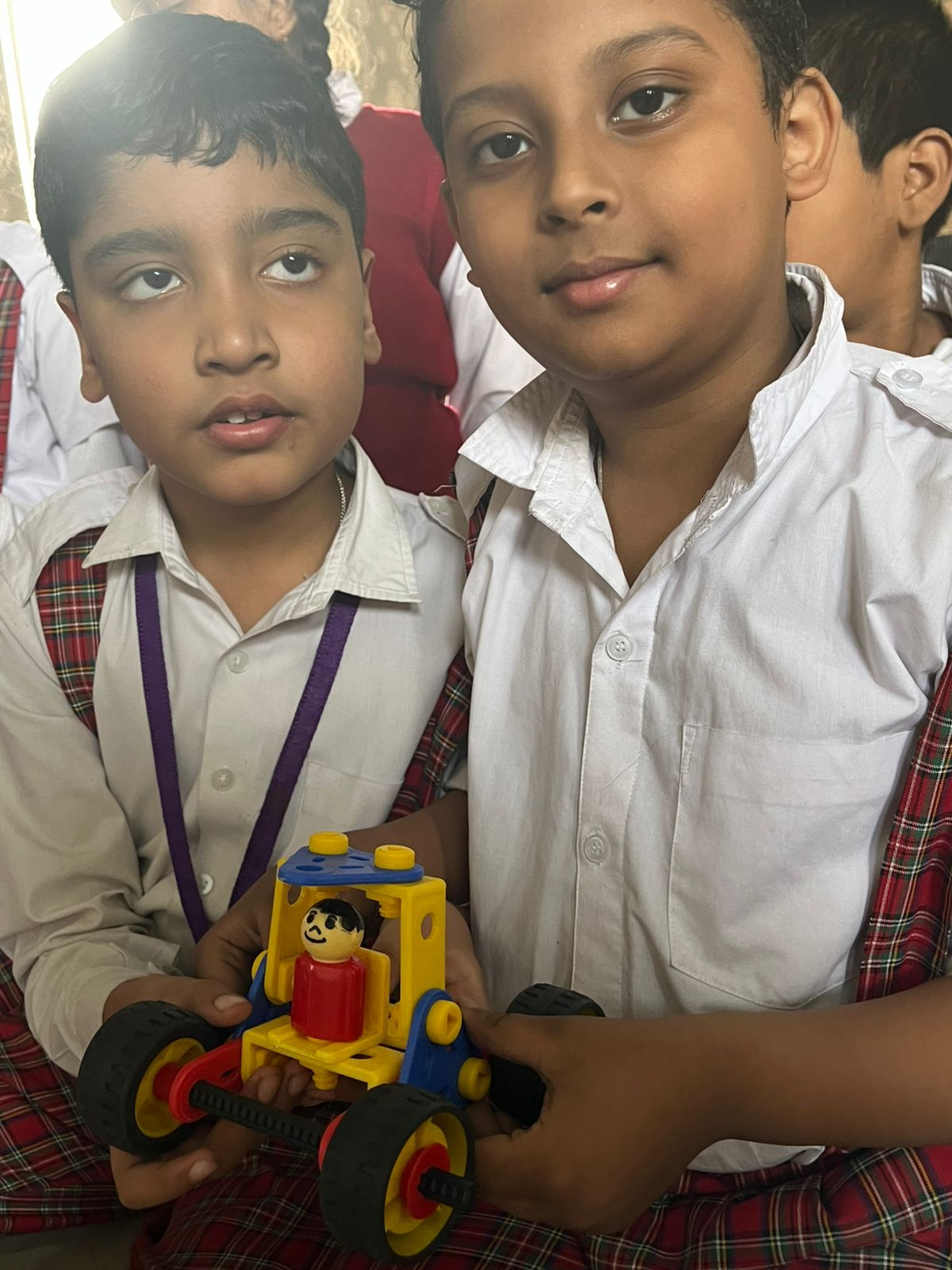
Children watch carefully, connect ideas, and prepare to recreate concepts with their own hands.
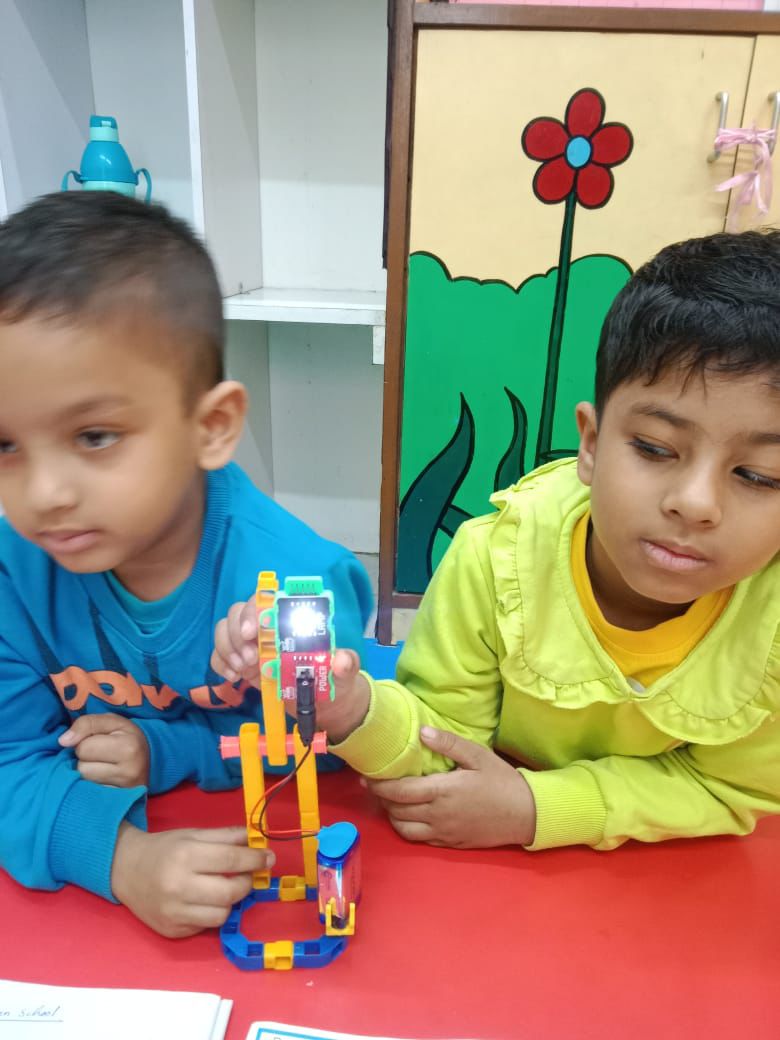
Trainers turn lessons into challenges that make problem-solving feel active rather than abstract.
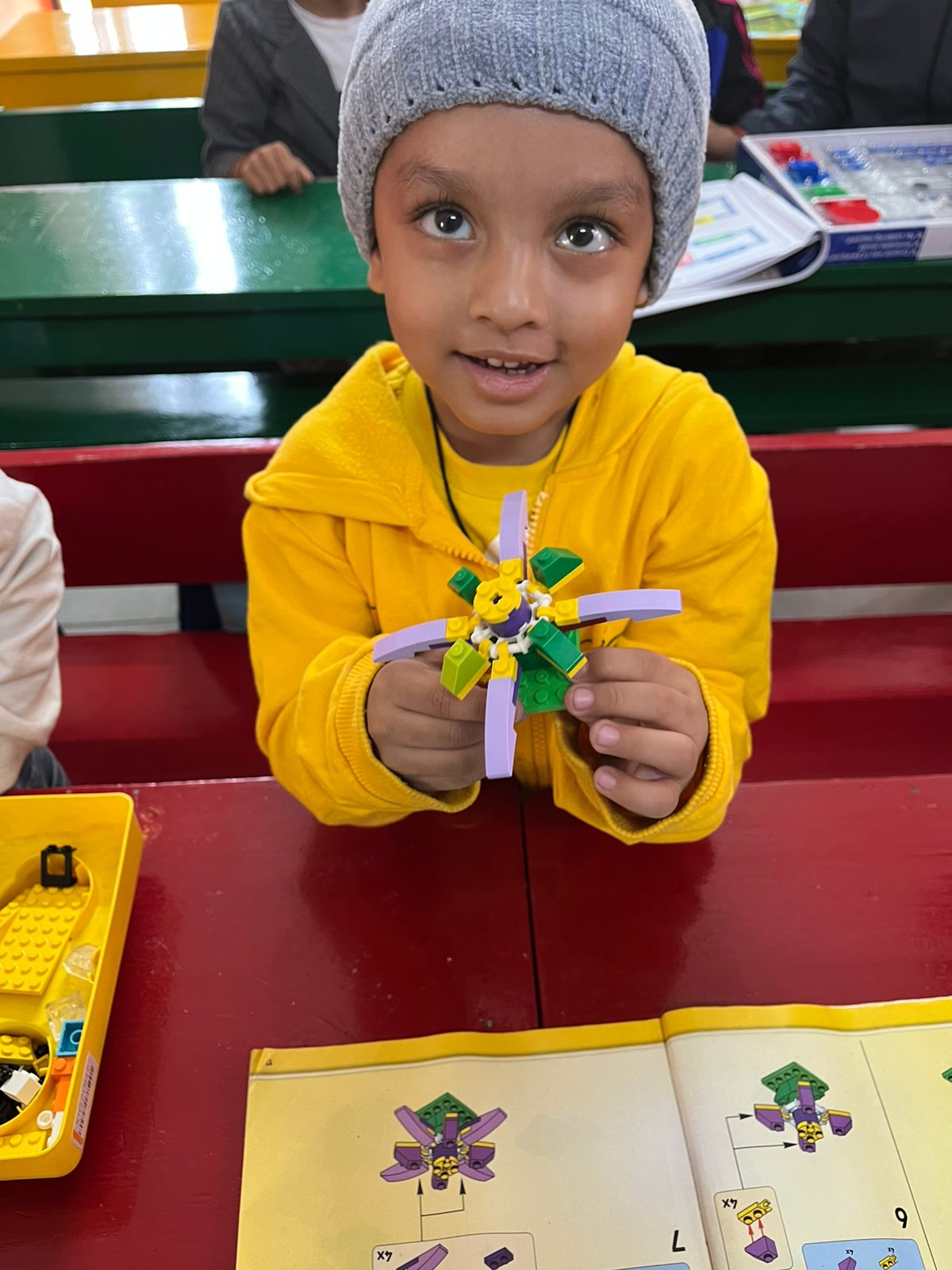
Each successful attempt reinforces creative courage and a willingness to tackle more complex builds.
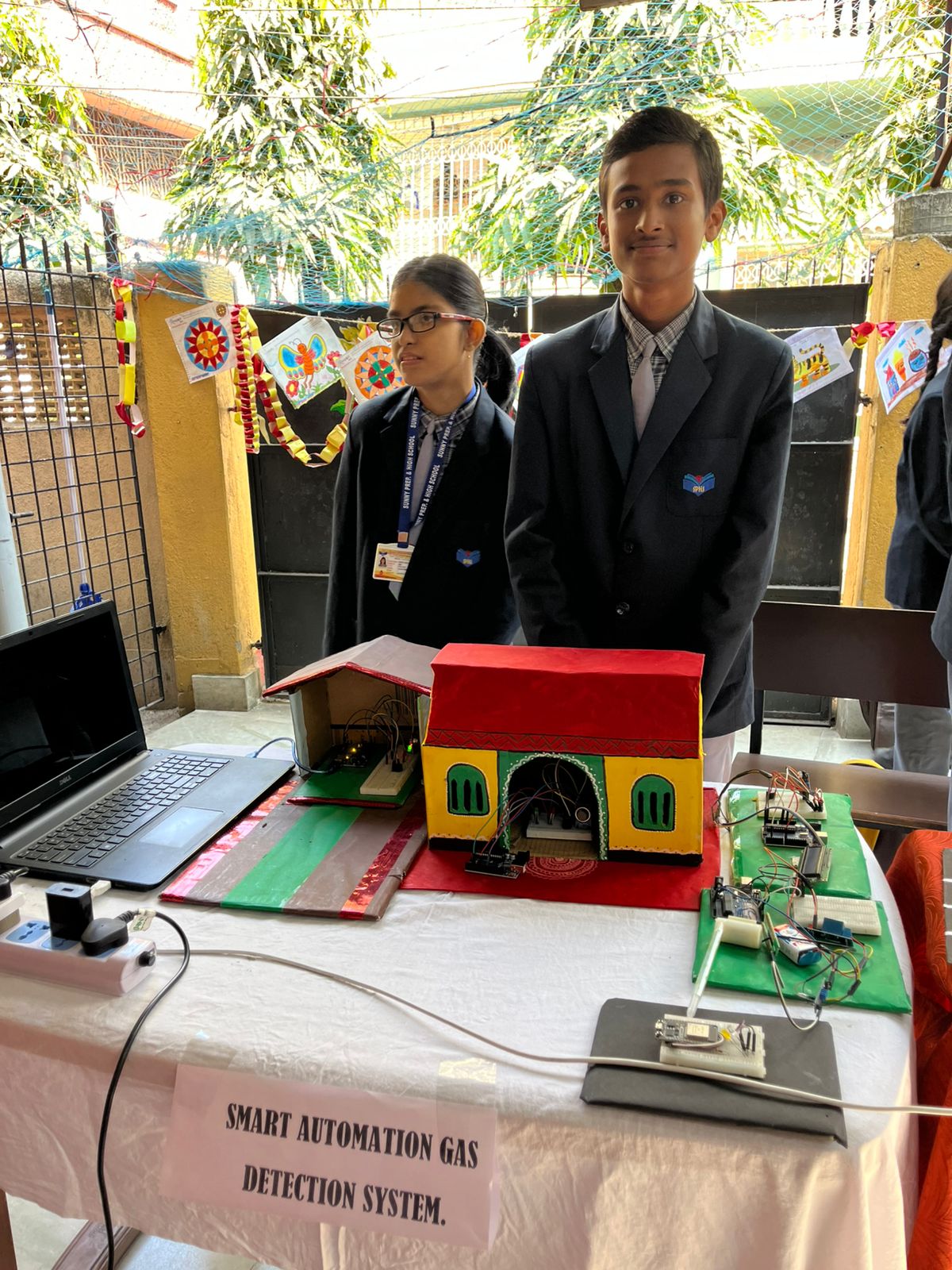
Practical exposure makes logic, design, and engineering principles feel concrete and memorable.