Robotics Engineering
Mechanical systems, sensors, actuators, control logic, and autonomous build challenges.
Classes 5-10Students progress through structured pathways across robotics, 3D design, electronics, coding, cybersecurity, and connected systems. Each track is adjusted to maturity level and practical readiness.
Each track combines theory, demos, guided practice, and project builds. They can run in schools, centers, or after-school formats depending on your model.
Mechanical systems, sensors, actuators, control logic, and autonomous build challenges.
Classes 5-10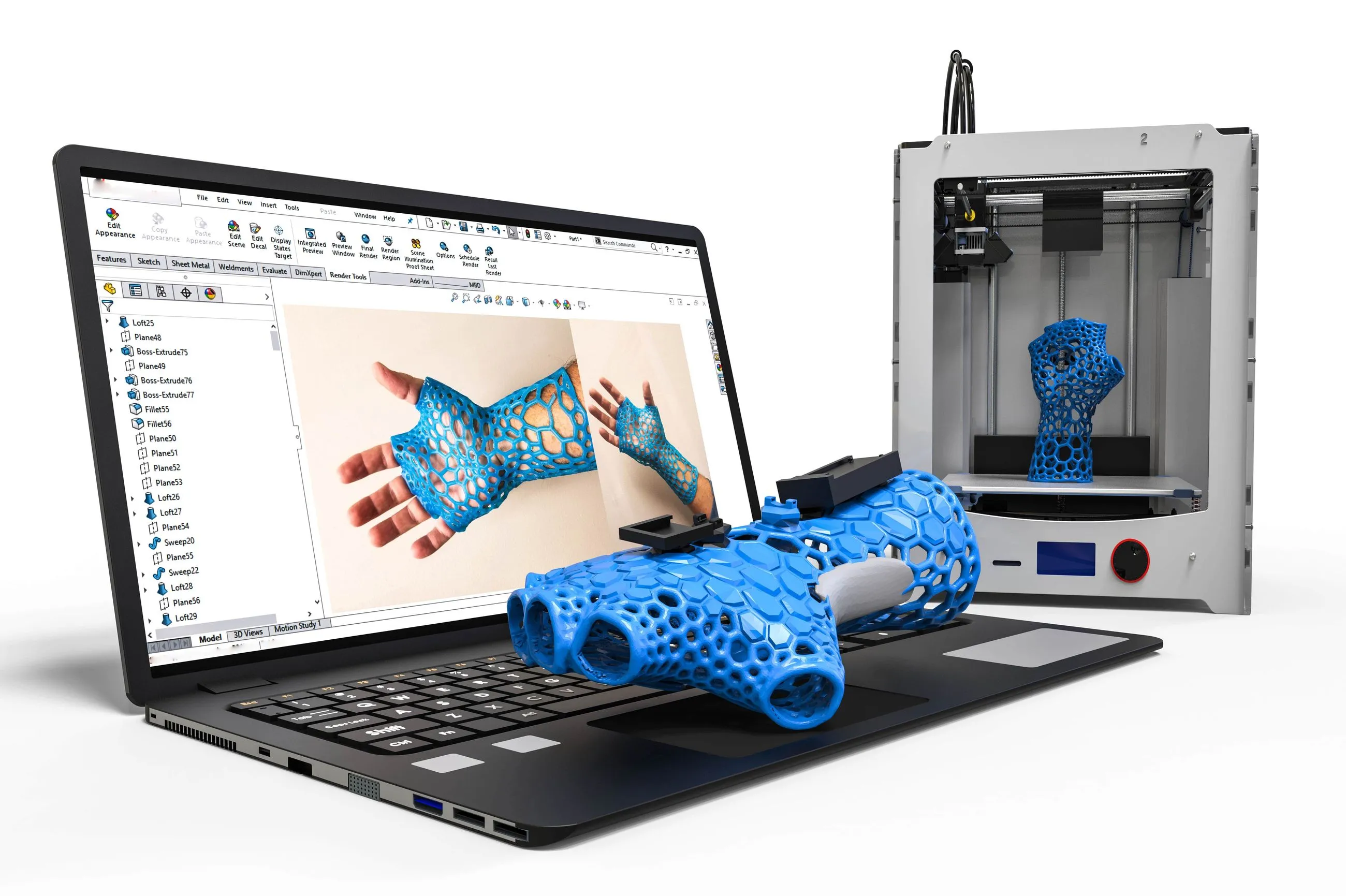
CAD fundamentals, design thinking, dimensional reasoning, and physical prototype output.
Classes 4-10
Circuits, microcontrollers, sensor integration, and smart device projects with cloud concepts.
Classes 6-10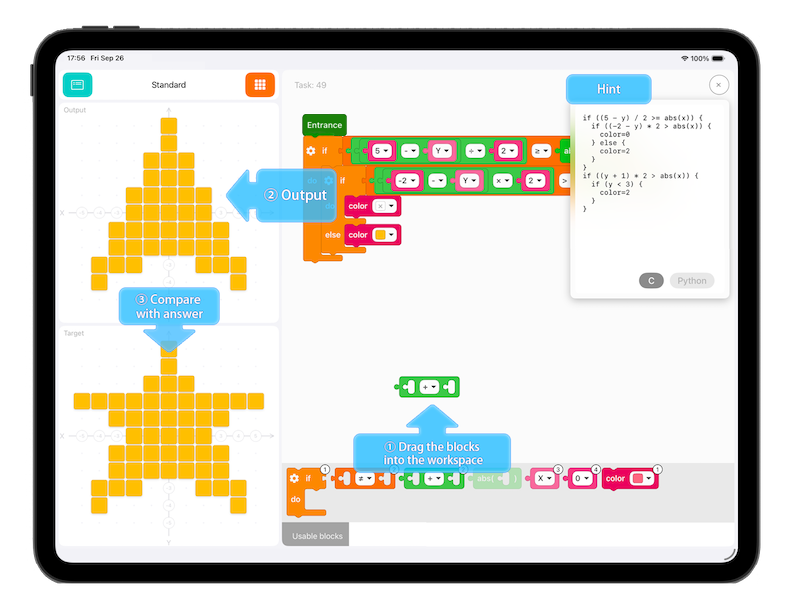
Visual coding, structured logic, computational patterns, and beginner-to-intermediate coding flow.
Classes 3-10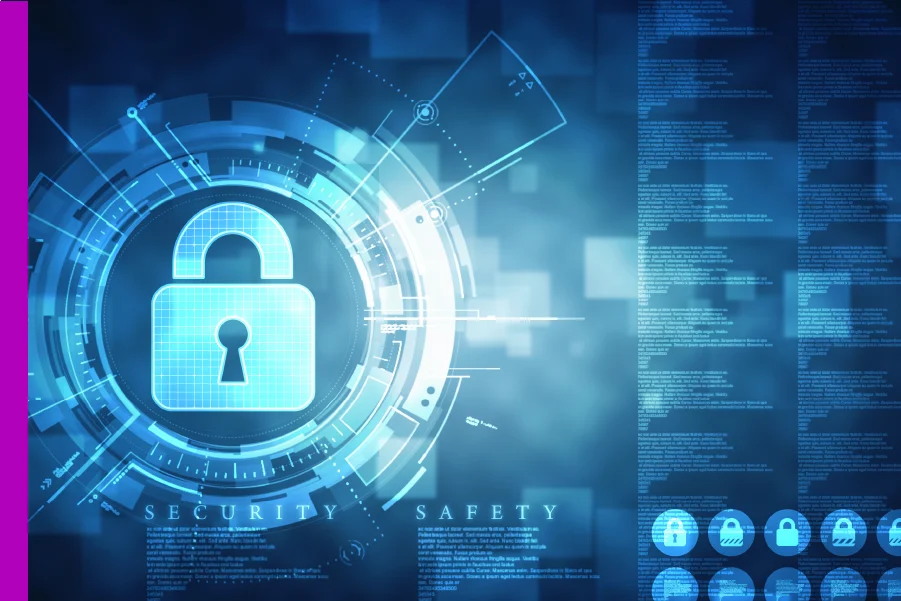
Digital literacy, internet safety, system awareness, and beginner cybersecurity concepts.
Classes 6-10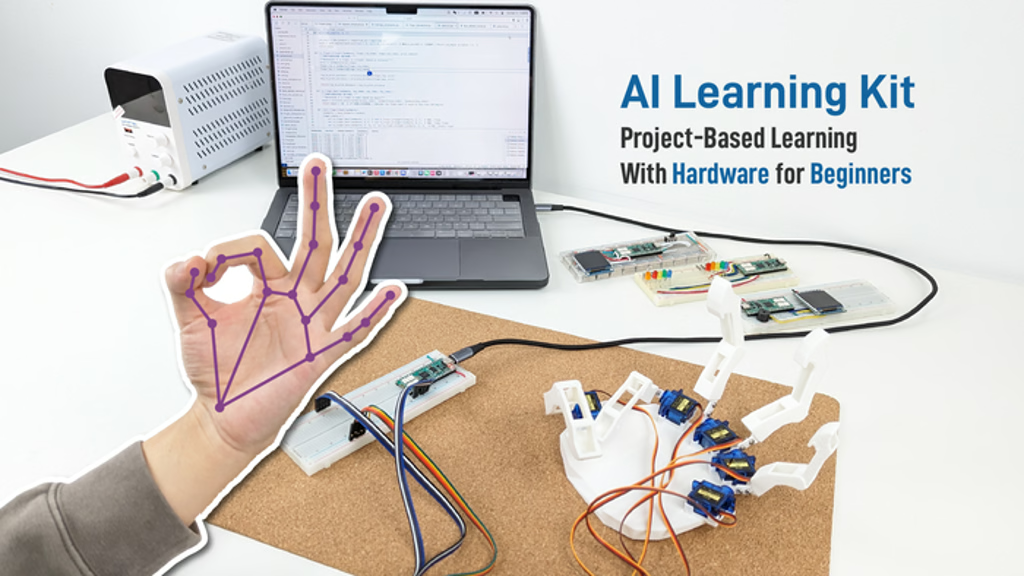
Advanced pathway combining embedded logic, automation, and data-driven decision systems.
Advanced cohortsThe curriculum is paced to keep momentum high while building enough repetition for real skill retention.
Students learn safety, tools, basic motion, simple circuits, and visual logic through guided challenges.
They start combining components, writing structured logic, and improving their projects with feedback.
Intermediate and advanced learners work on sensors, automated responses, prototypes, and full system thinking.
A strong curriculum should create excitement, but it also needs sequencing. Students should always know what they are building toward next.
Program design principleThese images expand the curriculum story while keeping all of the current topic images untouched.
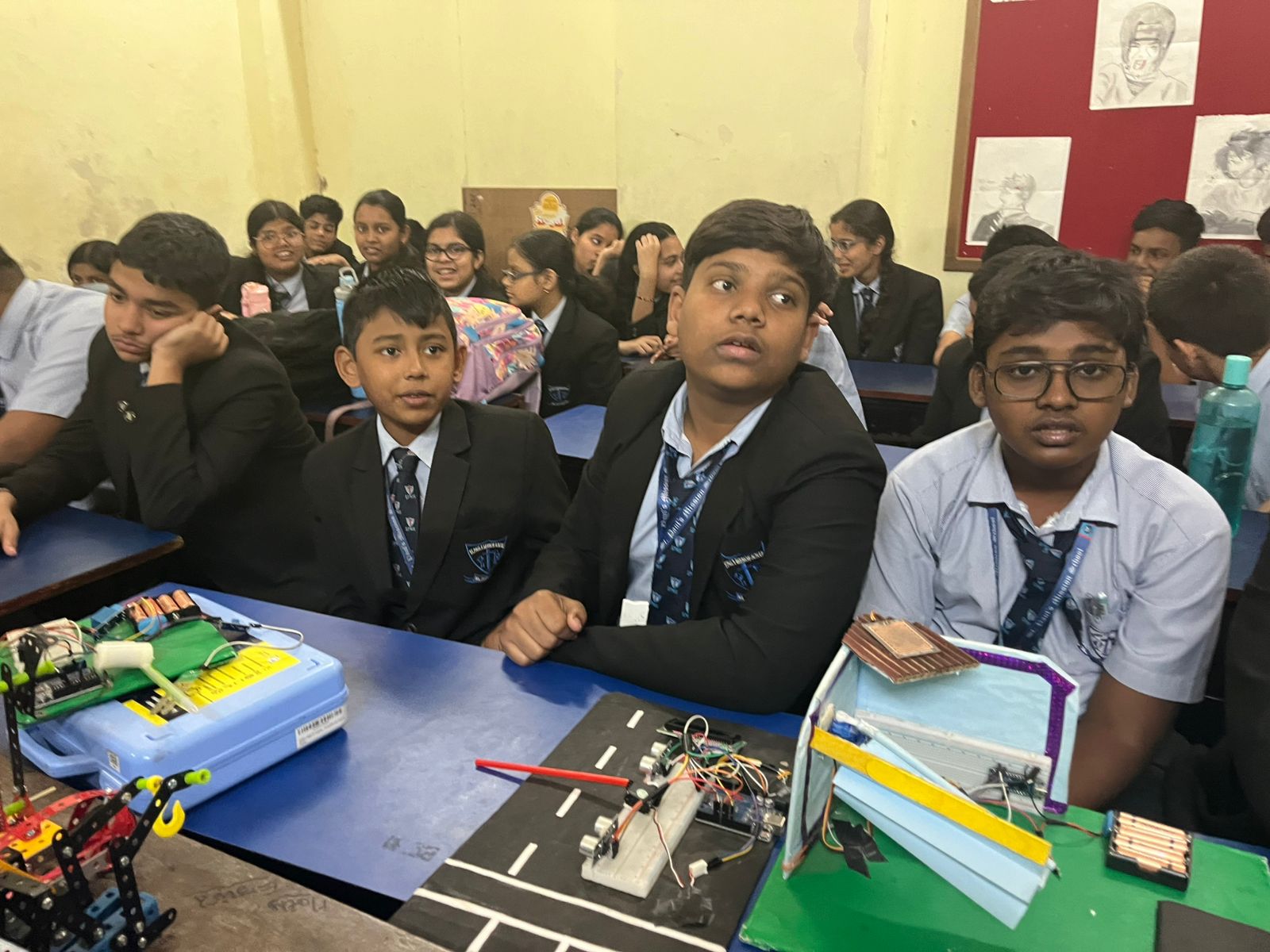
Students use design thinking to move from ideas to models with structure and intention.
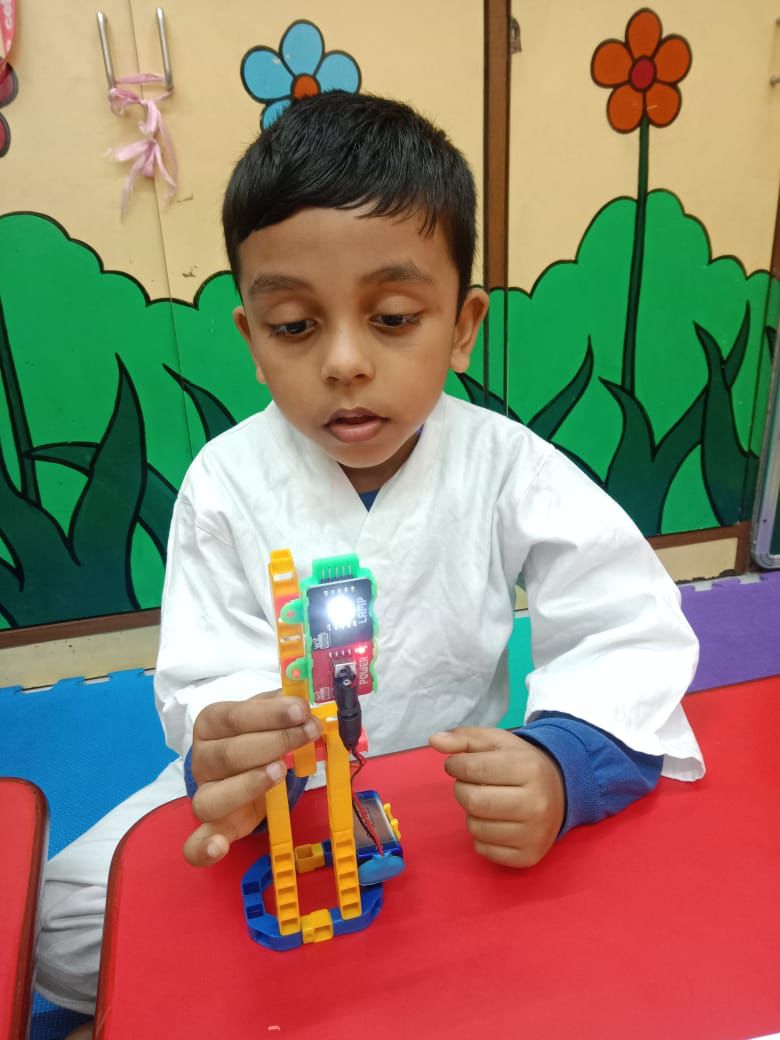
Hands-on device work helps learners understand circuits, components, and system behavior.
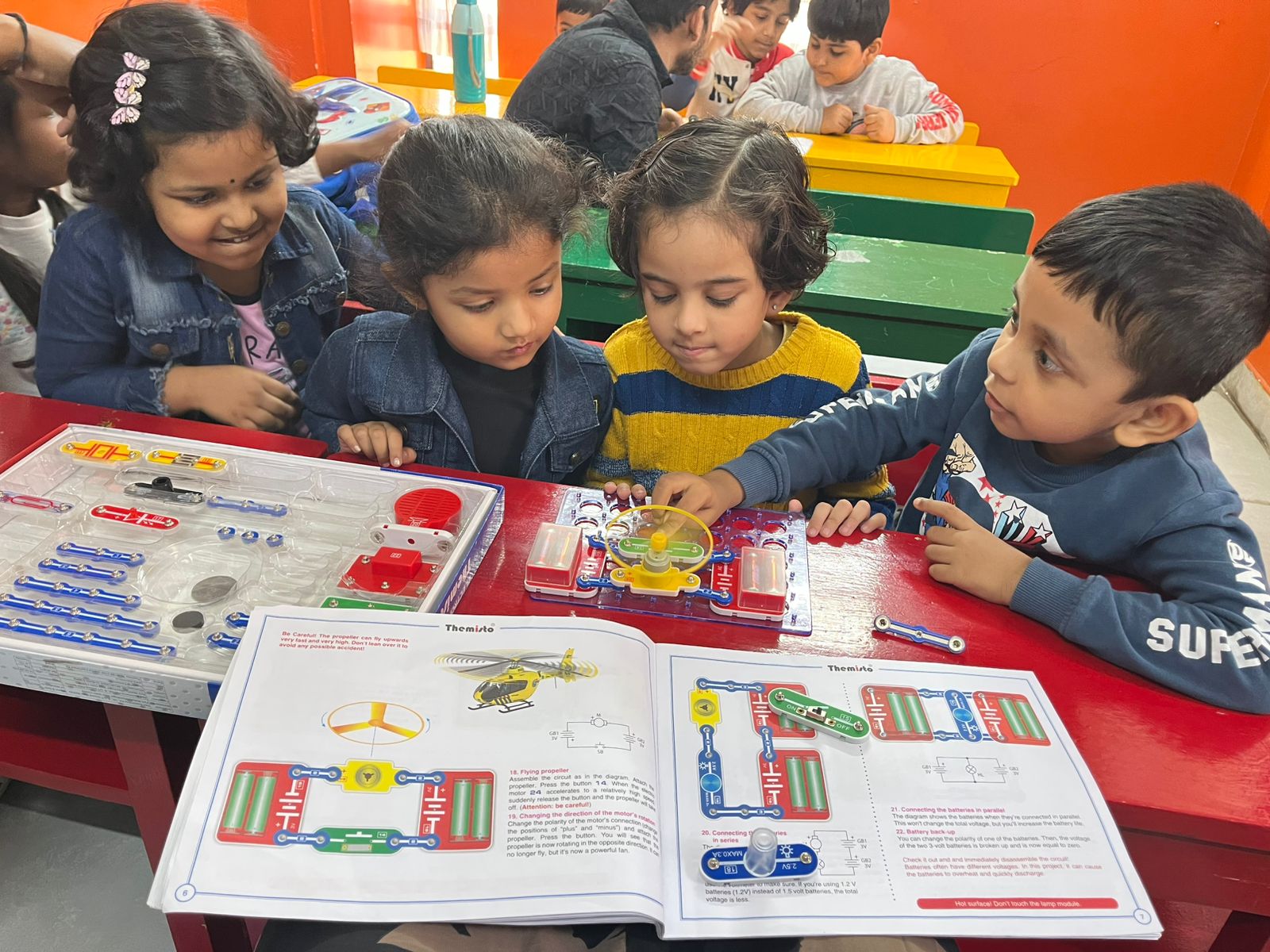
Children strengthen sequencing, patterns, and control through guided coding-based tasks.
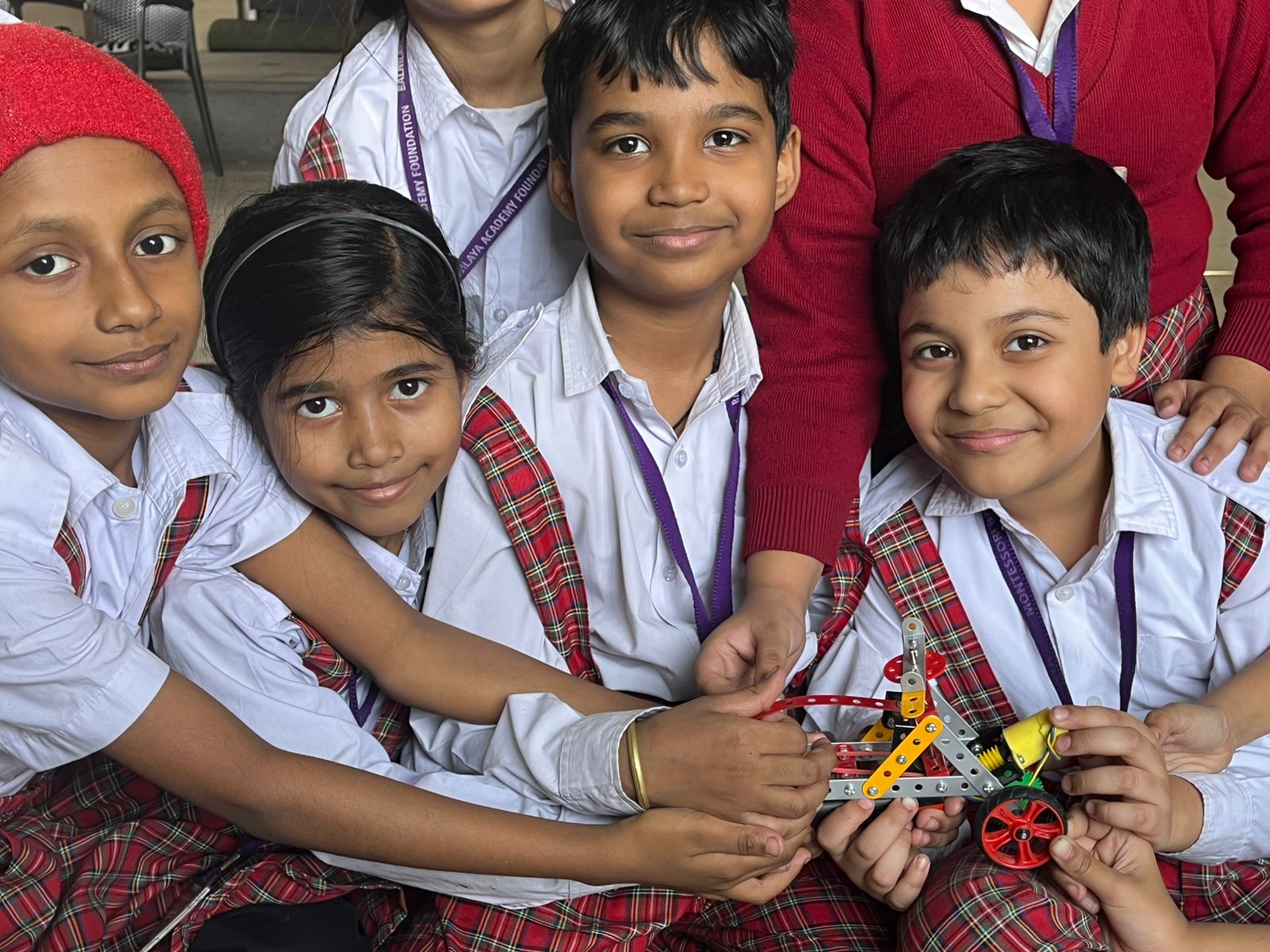
Students build healthy technology understanding alongside broader future-ready digital habits.